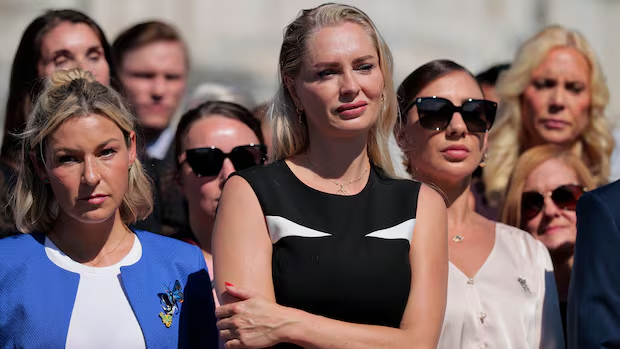

In what was one of the longest State of the Union addresses in modern history—lasting close to two hours of prepared remarks and applause—President Trump covered an extensive range of topics, from border security and economic claims to military honors and foreign policy. Yet amid the sweeping list of priorities and anecdotes, one absence stood out: any mention of survivors of Jeffrey Epstein or of the ongoing efforts to support victims of sex trafficking.
The address featured numerous personal stories and tributes to Americans who have faced tragedy or shown heroism. Trump highlighted families of people killed by immigrants in the country illegally, honored service members and law enforcement, and recognized individuals who have overcome extraordinary challenges. He spoke at length about “protecting our children,” including parental rights in education and foster care initiatives led by First Lady Melania Trump, themes that have been consistent with his broader political messaging.

However, despite past White House messaging that casts human trafficking as a top priority, and despite the high-profile nature of the Epstein case, the President made no reference in this speech to Epstein’s survivors or to specific sex trafficking networks. His comments on trafficking in the address were largely folded into arguments for tougher border enforcement and immigration restrictions rather than recognition of particular survivor communities.
This omission is striking given the speech’s focus on justice for crime victims and the protection of vulnerable Americans. Trump called for new legislation targeting repeat offenders and sanctuary cities and spotlighted emotional stories of families affected by violence, yet the survivors of one of the most notorious trafficking cases in recent U.S. history went unmentioned. Advocates for trafficking survivors note that presidential speeches are powerful agenda‑setting moments, and they view the lack of explicit acknowledgment as a missed opportunity to elevate the issue beyond the border and criminal justice framing.
As the United States approaches its 250th anniversary—a milestone Trump invoked in his closing appeal for national renewal—the question is whether future addresses will widen the lens to recognize all communities seeking justice, including trafficking survivors whose experiences remain largely absent from the national political stage.