


A spotted cat that locals in the Bolivian Andes frequently believed to be a house cat has been identified as a brand new species. Genetic testing revealed it as the tilcayo cat (Leopardus tilcayo), the first newly described living wild cat in over 100 years. However, researchers say, they nonetheless have no concept how many are in the wild.
A first in over a century
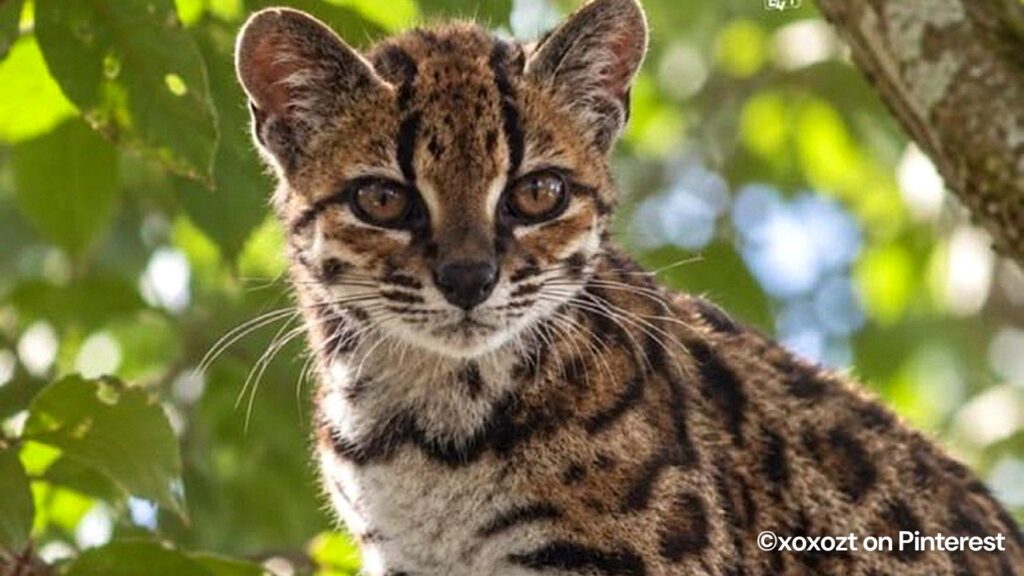
This is the first new living wildcat species to be identified since 1923 and the first new native wildcat to be identified since the Uruguayan pampas cat. The discovery was published on May 10 in the journal Current Biology. The research, which commenced in 2021, provides a significant milestone in wildlife biology, one of the most studied groups of animals.
Located in the Bolivian Yungas

It exists only in theYungas of Bolivia, a cloud forest area on the eastern slopes of the mountains near La Paz. There have been no record of it somewhere else, said one of the researchers, Paola Nogales-Ascarrunz. It is very near to the capital and may help the world know that undiscovered species can survive near human dwellings.
Mistaken for a house cat

Those who had seen the animal in the Andes commonly thought it was a normal domestic cat. The researchers identified that the animal was different from any member of known tiger cat species, and Nogales-Ascarrunz reported that it appeared strange compared to other wild cats she was familiar with.
Small size and spotted coat

The tilcayo is around 45 centimetres long, and slightly smaller than a standard house cat. It has a coat of spots and rosettes like a leopard’s, and rounded ears. The tilcayo is a member of the genus Leopardus, a group of small South American spotted cats.
DNA analysis corroborated the discovery
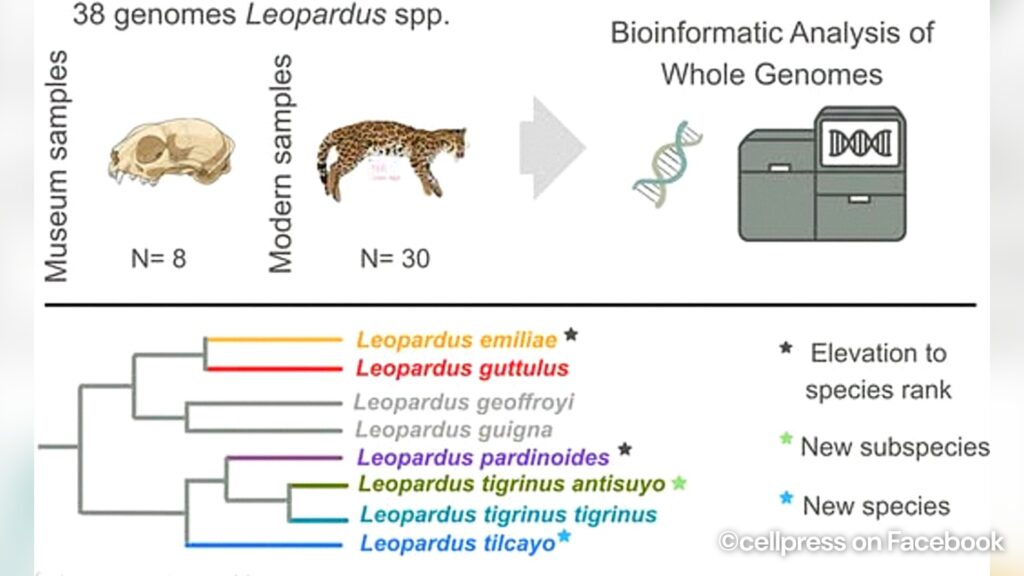
Allowing the cat to join the family tree This genome information was then compared to that of more than 30 cats from locations including Colombia, Peru and Brazil. Whole genome data revealed the presence of at least five tiger cat species- four known and one new -tilcayo.
A separate Ancient lineage
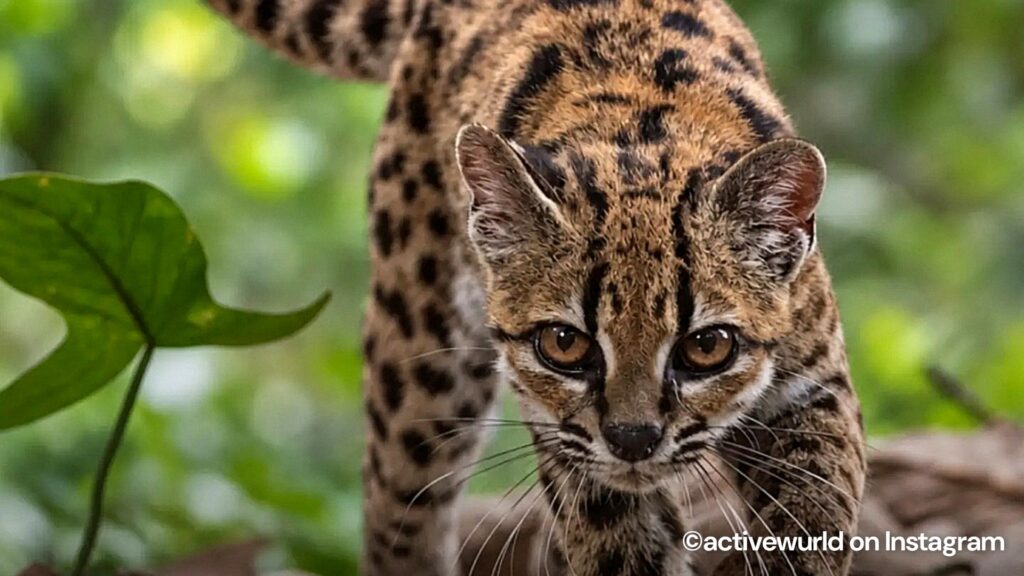
The researchers found that the tilcayo diverged from the other Leopardus lineages some 1.4 million years ago. That confirms that it is a valid unique lineage, rather than a regional form of a species already known.
A name chosen from local communities

For example, rather than honouring a scientist or explorer, the species was named after tilcayo, the term used by local villagers. The name memorialises the old vernacular. “Long before being recognised as a separate species by scientists, the cat was known by local people,” say the researchers.
Only two animals studied

Two tilcayos are known and both have been whole genome sequenced. A male lives at the Senda Verde Animal Refuge having been relinquished by a family that had taken him in. A female was released back into the wild having been rescued after an attack by locals.
Population unknown
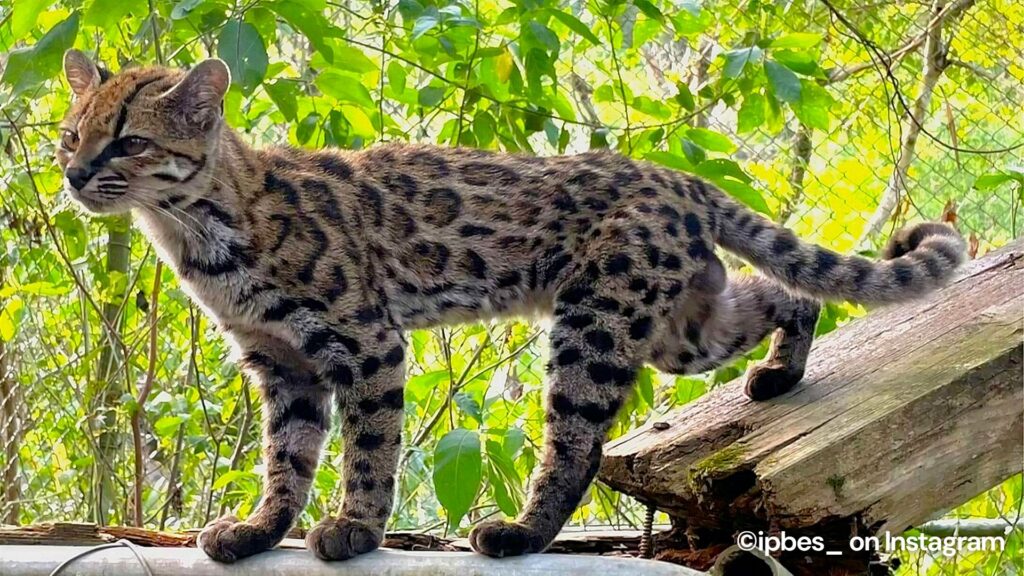
Population size is uncertain. Researchers do not know how many tilcayos there are and its diet, behaviour and habitat have yet to be defined, according to Nogales-Ascarrunz. The species is currently considered vulnerable but if numbers are as limited as assumed, the risk of extinction would quickly increase.
Threats and next steps

Deforestation and gold mining are increasing in the cats’ cloud forest home. Researchers are optimistic that official designation of the species will help safeguard its forest home. Now more field research is needed to find out how many cats remain and what is the most effective way of conserving them.